

Sewer Backups Plumbing Services in Gwynneville, IN
Gwynneville Sewer Backups Company available now in Shelby County
Sewer Backups provides a critical plumbing service resolving wastewater overflow caused by blockages, pipe damage, or system overload. The service involves removing blockages, inspecting with cameras, and fixing or updating damaged sections of the sewer line. Prompt attention avoids structural issues, environmental contamination, and health risks associated with sewage exposure
We provide top-quality Plumbing services throughout Shelby County. Whether you need help with Sewer Backups or other issues, our Experts is ready.

Plumbing Services in Gwynneville, IN

Setting up dishwashers, hot water heater (tank and tankless), waste disposal unit, and cleaning makers.

Making sure backflow avoidance devices are working correctly.

Transferring or upgrading plumbing systems.
Guaranteeing plumbing systems fulfill regional regulations.

Immediate action to prevent flooding and water damage.

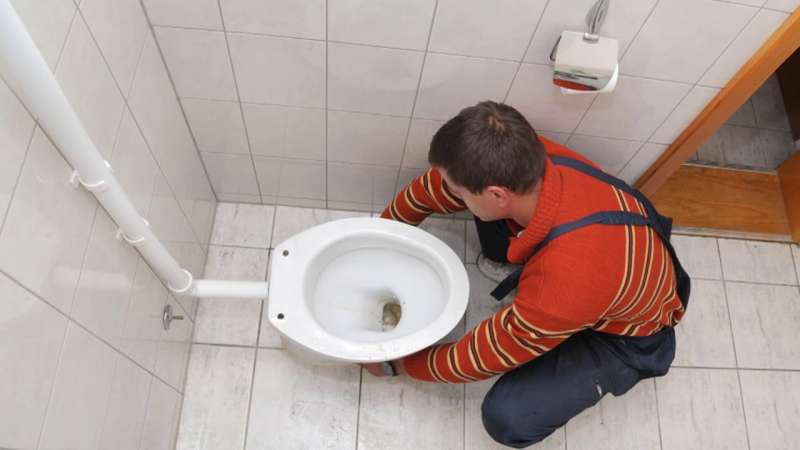
Clearing obstructions in sinks, toilets, showers, and sewer lines.

Routine cleansing to prevent obstructions and preserve flow.

Fixing malfunctioning faucets, toilets, and other fixtures.

Installation of sinks, faucets, toilets, tubs, and showers.

Emergency detection and repair work to prevent threats.

Repairing gas leakages and making sure correct gas line operating.

Establishing systems for recycling family wastewater.

Setting up and keeping radiant flooring heating systems.

Specialized piping for factories or industrial settings.

Installing and preserving outdoor watering.

Plumbing systems for new buildings or renovations.

Fixing leaks in pipelines, faucets, toilets, and appliances.

Quick resolution of extreme blockages and overflows.

Utilizing electronic cameras to examine pipelines for damage or blockages.

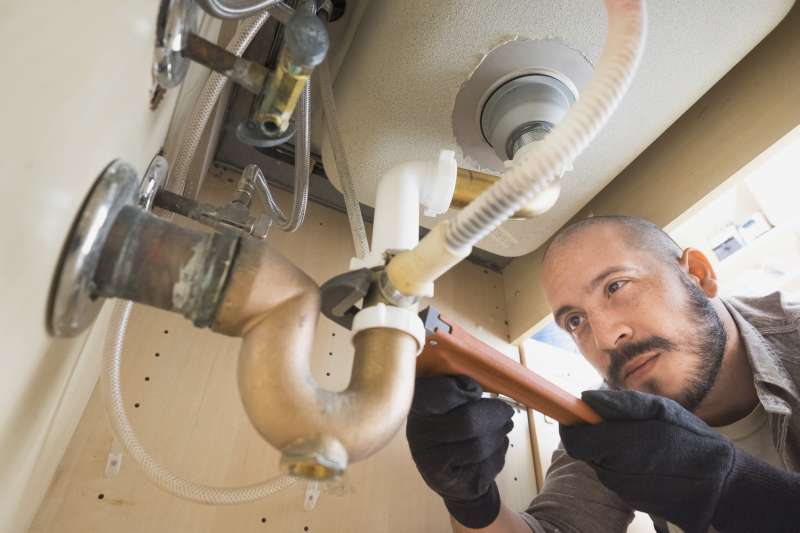
Repairing or replacing burst, worn away, or harmed pipelines.

Setting up new piping systems for water, gas, and drainage.

Evaluating plumbing systems before buying property.
Installing systems to collect and make use of rainwater.

Ongoing upkeep services for organizations.

Setting up, repairing, and preserving septic systems.

Handling groundwater in basements.

Installing water-efficient or modern components.

Advising on water-saving techniques and products.

Installing water softeners and filtering systems.

Flushing and inspecting water heaters to lengthen life expectancy.

Addressing problems with temperature level, leakages, or failure to heat water.

Protecting basements or other locations from water intrusion.

Immediate attention to prevent contamination and health threats.